

Adaptogenic drinks are gaining popularity among the wellness community. I started hearing about them from athletes I followed, and I was curious to try them for myself.
Adaptogenic drinks are considered a healthier alternative to traditional protein supplements and are valued for their holistic benefits, especially after physical activity.
What Are Adaptogen Drinks?
Adaptogen drinks are versatile noncaffeinated and nonalcoholic beverages that provide a boost of health effects. These functional beverages are infused with herbs or mushrooms to help the body manage stress and promote balance.
Popular adaptogens found in drinks are Ashwagandha, Lion’s Mane and Reishi. I’ve tried all three, and they’ve been transformative for my recovery and day-to-day well-being. Some adaptogens have demonstrated anti-inflammatory effects to help the body cope and calm down during stressful conditions.
Adaptogens are available in many flavors and formats, including sparkling beverages and teas. Some brands spare them with natural fruit juices and other wellness ingredients. Different varieties keep things interesting.
The Transition from Protein Shakes to Adaptogenic Drinks
Protein shakes have been the holy grail of the fitness community because they support muscle recovery and growth, especially after exercise. However, I was unsatisfied with the protein options, as they contain high levels of sugar. I found myself crashing after some hours of drinking it or feeling discomfort in my stomach.
Many people have shared this experience. Around 50% of women are unsatisfied with the wellness choices available to them. The good news is that adaptogens in drinks offer a solution. Now, they’re my go-to drink of choice. Besides aiding my physical recovery after exercise, adaptogen drinks also improve my mental well-being.
Key Adaptogens and Their Benefits for Athletes
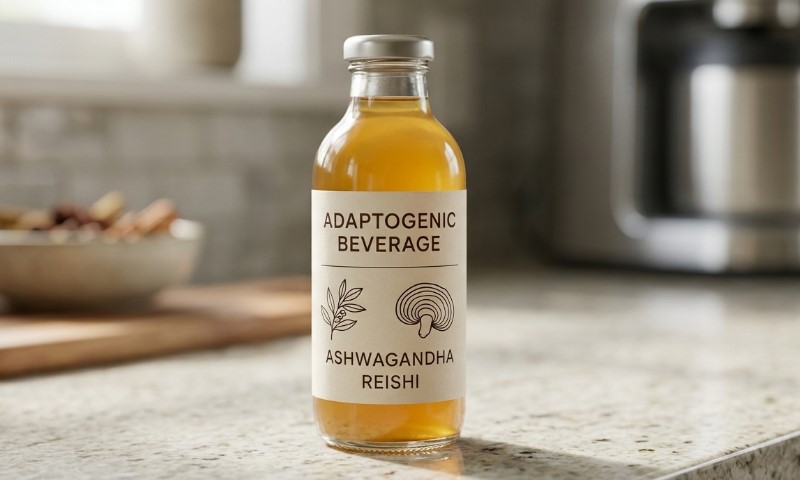
Here is a list of adaptogens and their benefits.
1. Ashwagandha
Ashwagandha is one of the most well-known adaptogens on the market. It has a long history as both a drink and a medicine, dating back thousands of years in India. This adaptogen is known for reducing cortisol levels, stress and anxiety. I noticed I felt calmer after a few weeks of having Ashwagandha as my morning drink.
2. Rhodiola Rosea
Rhodiola Rosea, a perennial flowering plant, is great for runners because it reduces fatigue and enhances endurance. I can push myself harder when I take Rhodiola Rosea before a run.
3. Holy Basil
Holy Basil is believed to improve focus and support stress management. Many studies show its antioxidant effectiveness. Among its key metabolic benefits are reducing blood sugar, improving LDL cholesterol and lowering inflammation.
4. Maca
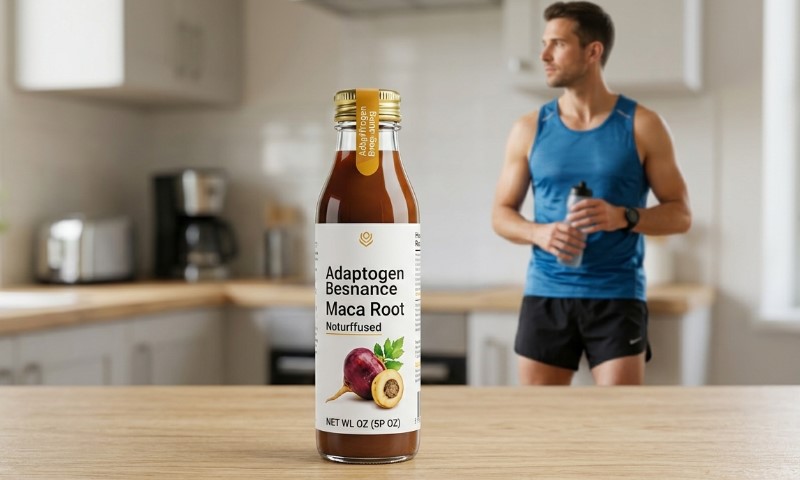
Maca is one of my favorite adaptogen drinks. It has a distinct taste, blending nutty, malty and butterscotch flavors. Many people drink Maca for its energizing effects, especially for physical activities.
5. Panax Ginseng
Panax Ginseng can enhance physical endurance and help protect the cardiovascular system. It is also thought to reduce inflammation and oxidative stress and to improve cognitive focus, especially during heavy training sessions.
6. Cordyceps
Cordyceps mushrooms can help the body produce adenosine triphosphate. It can support faster cell repair and decrease muscle damage. Additionally, the adaptogen can support healthy skin and heart health.
Practical Tips for Incorporating Adaptogenic Drinks

A more health-conscious younger generation is increasingly turning to adaptogenic drinks as an alternative to sugary protein shakes. They are great functional beverages that can promote health and mindfulness.
Review the types of adaptogens and their benefits. Find one that piques your interest or answers a concern you currently have. For example, if you struggle with energy throughout the day, you might give Maca a try. If you want something that calms your mind down, Ashwagandha might be the perfect drink. It’s all about finding the right adaptogen drink for you.
It’s also wise to be rigorous about what you eat and drink. I prioritized high-quality options with transparent labeling that specifies which adaptogens they have and in what concentrations. I also focused on the best time of day to consume each adaptogen to maximize its benefits.
After sourcing these ingredients and trying out different adaptogen-infused drinks, I started making my own recipes. Sometimes I make ashwagandha smoothies or rhodiola-infused teas. It all depends on the specific benefits that I am after, whether that’s a post-run recovery drink or an energy boost after a long and stressful workday.
For more specific advice about incorporating adaptogenic ingredients into your routine, you should consult your doctor or nutritionalist. Everyone’s body is different, so a healthcare professional can help determine the best options for your unique needs and address potential medication interactions.
FAQs
Embracing Adaptogenic Drinks for Holistic Wellness
Swapping protein shakes for adaptogenic drinks has been truly transformative. I started this journey not knowing what adaptogen drinks are, and now they’re part of my wellness routines. The best part about these adaptogen drinks is how they can boost both physical and mental wellness.