
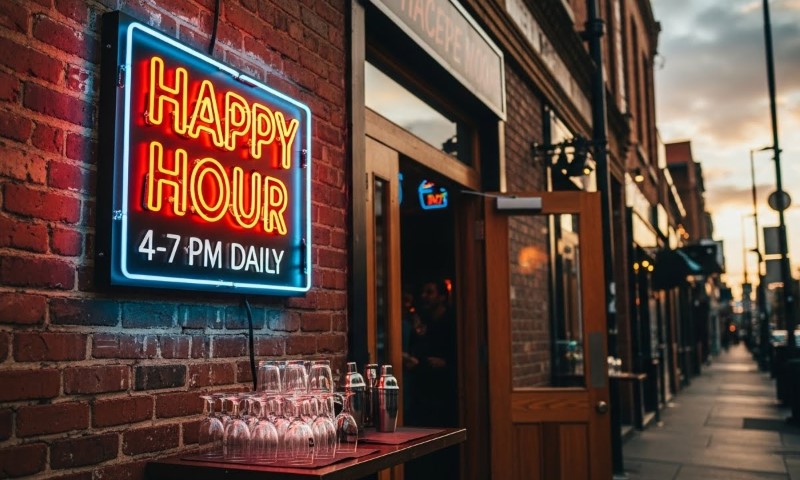
Happy hour often gets treated as a quick fix that fills seats but cuts profits.
Many operators fall into the trap of running heavy discounts that attract bargain hunters who leave once prices return to normal.
Profitable approach relies on pricing psychology, strategic timing, and intentional menu structure.
Havng a well-planned program results in bringing in customers during slow periods, encourages them to stay, and motivates higher overall spend without relying on aggressive price cuts.
Let’s see how you should plan it properly.
1. It Shouldn’t be Just About Discounts
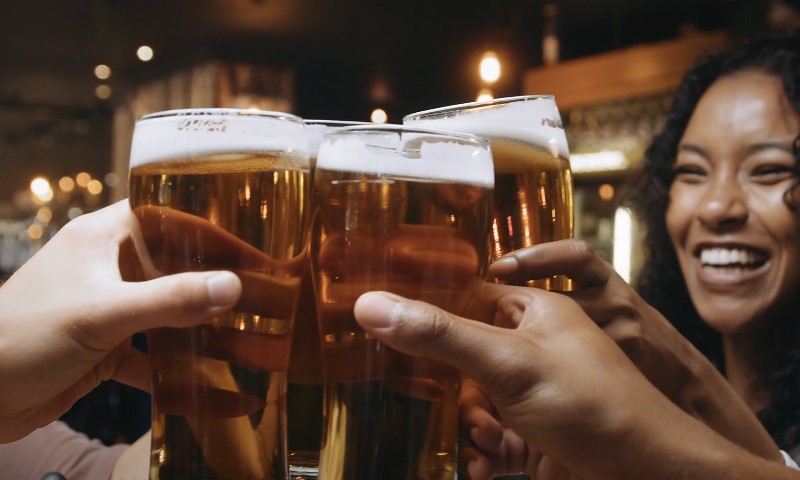
Happy hour gains strength when operators treat it as a timed opportunity that builds energy and encourages guests to stay longer. Scarcity creates urgency, entry pricing attracts early arrivals, and many guests continue ordering once regular pricing resumes.
Operators who focus on perceived value instead of aggressive markdowns gain steadier profit outcomes.
Strong programs rely on controlled incentives that shape behavior rather than crush margins.
Limited menus with profitable items, short availability windows, and structured pricing steps help guide guests toward choices that raise check averages.
Guests respond strongly to exclusivity, anticipation, and novelty, which encourages repeat visits.
Some operators see even faster gains when specific elements are emphasized, such as:
- Confined lists that highlight house spirits, draft beer, and profitable cocktails
- Timed specials that shift every 30 to 60 minutes to create momentum
- Featured items that appear only during the window and disappear immediately after
A focused structure pushes guests to try items they would not normally choose, allowing operators to increase profitability without resorting to heavy discounting.
2. Define Goals First
View this post on Instagram
Profitable happy hour strategy begins with clarity. A bar chasing traffic growth benefits most from enticing entry offers, such as buy-one-get-one structures or attractive set prices.
A bar aiming to raise spend per head gains more traction with bundles and easy upsell paths.
Operators who want more repeat visits often create loyalty programs linked to happy hour purchases and tied to digital tracking.
Unclear goals lead to problematic outcomes, usually attracting customers who chase low prices without producing long-term business.
Properly defined objectives guide time selection, item selection, and promotional framing.
A bar that builds its model around specific goals gains consistency across seasons.
Some operators outline their intentions in short internal documents that include:
- Primary revenue targets
- Ideal customer profile for each happy hour window
- Product categories that should receive focused attention
Bars operating under investor ownership or private equity funding face additional expectations around governance, growth metrics, and performance reporting.
Strategic happy hour planning plays a role in meeting these metrics. For a broader perspective on governance models in high-growth investor-backed businesses, see Private Equity Hub.
3. Time It Right
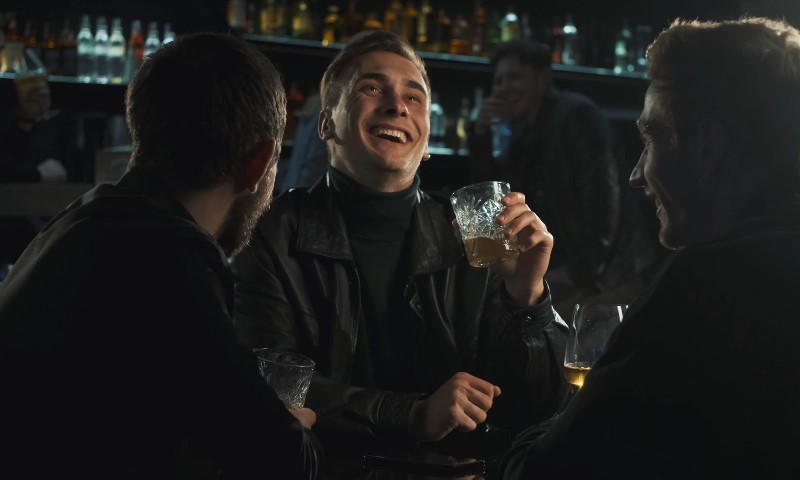
Smart scheduling depends on real data, not assumptions. Hourly sales reports reveal dead zones that can be reshaped into profitable windows.
Running deals during strong hours burns margin without adding incremental volume.
Operators who match time slots to neighborhood patterns see faster adoption and better retention.
Office-heavy districts respond to late-afternoon windows, while hospitality-focused zones often benefit from late-night offerings.
Early-week promotions counter slow Mondays and Tuesdays.
Thursday pre-weekend momentum often supports higher check averages. Some customers move bar to bar in search of deals, making timing an important protective measure.
4. Crafting Profitable Promotion
Blanket discounts drain cash quickly, so operators shape offers that raise volume and check size without eroding margin.
Tiered pricing, group-based incentives, food pairings, exclusive product lists, and high-margin selections form the core of profitable structures.
Second-drink price reductions encourage guests to stay longer.
Group offerings, such as free appetizers after a certain number of drinks, increase both food and beverage totals.
Small plate pairings bring balance to alcohol-forward orders and often lead to additional purchases.
A limited menu of high-margin items keeps cost control tight while preserving a sense of choice.
Poorly planned promotions tend to draw in customers who drink quickly and leave as soon as prices return to normal, so a strong structure is essential.
Many successful operators add small guiding elements such as:
- Progressive pricing steps that rise as the window nears closing
- Pairing cards that prompt guests to try food items alongside featured drinks
5. Think Past Simple Discounts
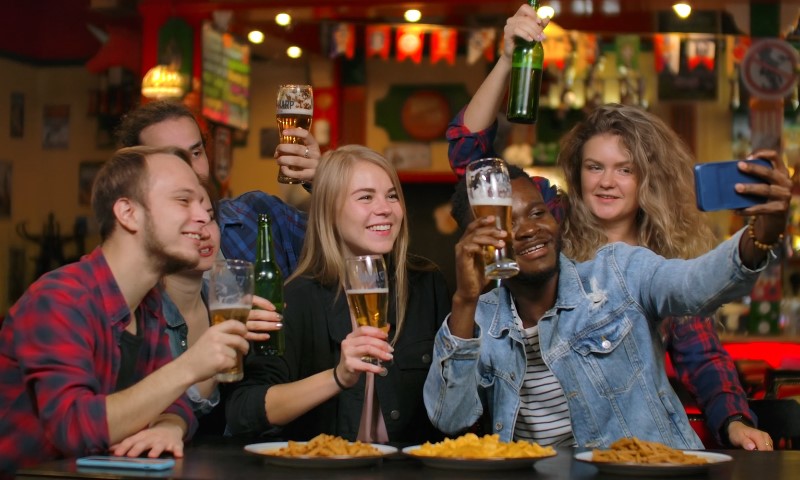
Happy hour gains impact when it feels like an occasion instead of a markdown period. Themes create identity and help build habits.
Taco and Tequila Tuesday, Whiskey Wednesdays, or Beer and Burger nights bring familiarity and repetition that turn casual guests into regulars.
Limited-time signature cocktails generate excitement and motivate guests to arrive earlier.
Gamified elements enhance engagement and give guests a reason to participate. Instagram check-in rewards promote the venue organically.
Wheel-based specials add controlled unpredictability that keeps guests entertained.
Tasting flights introduce customers to multiple products, building interest in full-price drinks later in the evening.
6. Avoiding Common Pitfalls
Over-discounting cuts into profits rapidly and conditions customers to wait for deals instead of ordering freely.
Long windows bleed into strong sales periods and reduce revenue that would normally come at full price.
Under-trained staff miss up-sell chances, misunderstand featured items, and deliver slow service during the most time-sensitive part of the shift.
Service failures during promotional periods often shape long-term guest perception.
Promotions that target the wrong audience waste money and produce inconsistent turnout.
Poorly structured deals become financial liabilities when margins are not calculated precisely.
Some early-evening guests may drink heavily before eating, which brings safety concerns and operational strain.
Strong training and responsible service policies help operators maintain control.
Many owners incorporate structured guardrails, such as:
- Clear alcohol service limits for discounted windows
- Required staff knowledge of featured pricing and menu details
7. Running It Smoothly
Successful happy hour programs rely on detailed preparation.
Batching cocktails, pre-portioning garnishes, and organizing dedicated glassware keep service moving quickly during high-pressure moments.
Strong preparation raises guest satisfaction and gives staff confidence to push featured items.
Staffing strategy requires balance. Too few employees slow service and limit revenue.
Too many inflated labor costs weaken overall profit. POS settings should automate pricing shifts to prevent manual errors.
Announced final calls signal the transition gently, and subtle adjustments in lighting or music help shift guests toward standard pricing without friction.
Many venues adopt operational routines such as:
Summary
Happy hour can serve as a powerful revenue tool when planned with intention.
Strong programs fill slow periods, raise average spend, encourage repeat visits, and guide guests into full-price purchasing as the evening progresses.
Poorly planned programs drain margin, cheapen the brand, and invite operational issues.
Smart timing, disciplined pricing, focused menus, trained staff, and operational readiness shape outcomes that support long-term growth instead of short-term volume spikes.