
Bucharest is gaining notice as an unexpected food destination with depth and personality. Streets lined with bakeries, cafés, and long-standing restaurants show how food plays a central role in daily life.
Several world-renowned magazines place Romania among the best under-the-radar places for food lovers, which sparked curiosity and raised expectations ahead of arrival.
Time spent eating across neighborhoods revealed a city comfortable with tradition while open to modern ideas shaping how people eat today.
Visits across the city revealed a steady rhythm of classic recipes served next to contemporary plates.
Let us talk about what you can expect from visiting the top restaurants in town, when it comes to Bucharest.
What Shapes Romanian Cooking
Spending time inside the top restaurants in Bucharest quickly showed how deeply food culture is woven into everyday life.
Romanian cooking brings together Ottoman, Hungarian, Balkan, and Slavic influences into everyday meals.
History, trade routes, and shifting borders shaped cooking habits that remain visible on menus today.
Comfort and practicality guide many recipes, with generous portions meant to satisfy.
Common ingredients appeared again and again during meals, especially items that define home-style cooking:
- Pork prepared through grilling, stewing, or roasting
- Polenta served soft or firm as a base for sauces
- Sour cream used generously to balance heavier flavors
- Sauerkraut and pickled vegetables adding acidity
- Slow-cooked stews built for long meals
Traditional food leans toward hearty and filling plates built around meat and root vegetables.
Rural habits meet city creativity in Bucharest, creating menus that respect old recipes while welcoming new techniques seen in urban kitchens.
Classic Romanian Dishes We Tried in Bucharest
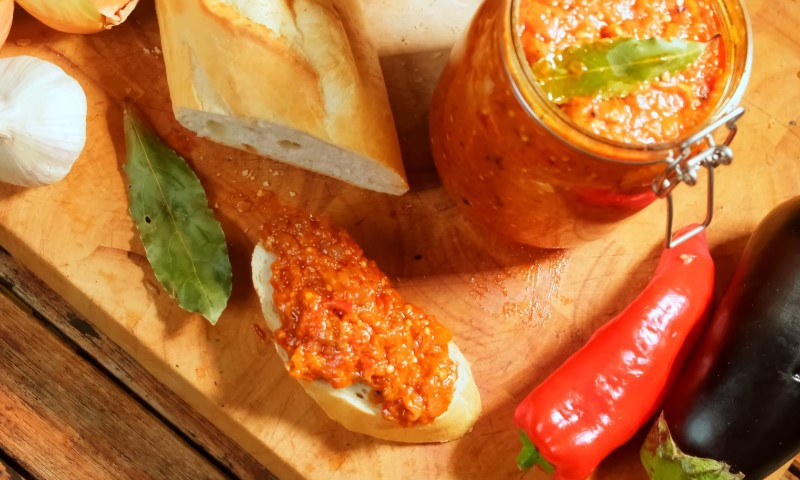
Local menus offered an easy way to trace tradition through flavor. Dishes often arrived simply plated, letting ingredients speak clearly without heavy decoration.
Starters and Appetizers
Zacuscă arrived as a comforting spread prepared with roasted eggplant, peppers, and onions, often served before main courses.
Salată de vinete delivered a smoky eggplant flavor mixed with sunflower oil and onion, paired with bread as a familiar opening bite.
Ciorbă de burtă showed up as a sour tripe soup that locals treat as a national favorite, often enjoyed year-round.
Several starters shared similar traits that explained their popularity:
- Smoky flavors created through roasting
- Tangy notes balanced with oil or cream
- Simple presentation meant for sharing
Iconic Main Dishes
Sarmale came packed with minced pork and rice rolled inside cabbage leaves, paired with sour cream and polenta.
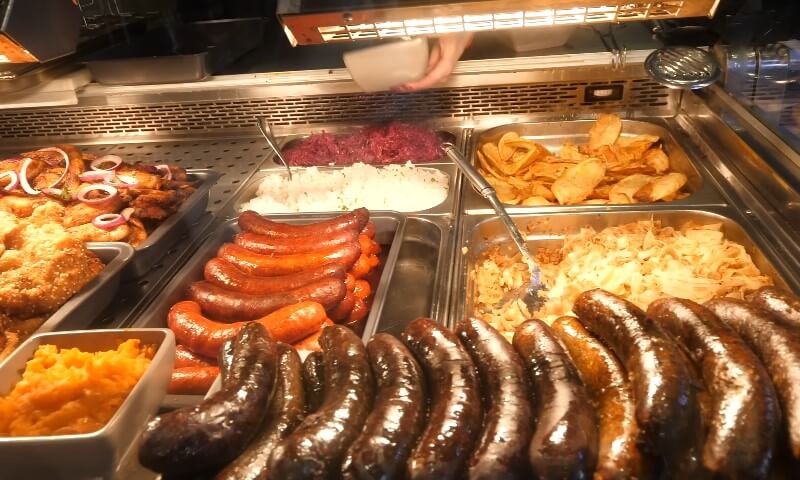
Mici, also called mititei, featured skinless grilled sausages made using mixed meats and spices, juicy and bold in flavor.
Tochitură offered a pork stew plated with polenta and a fried egg for extra comfort.
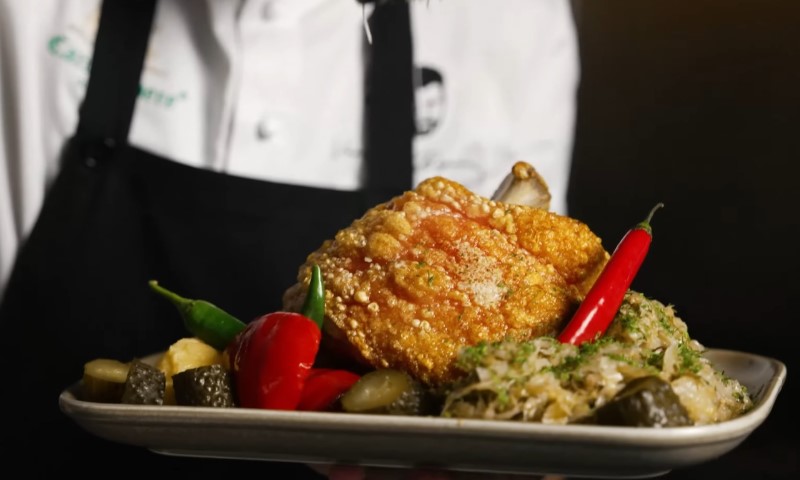
Mâncare tradițională din Bucovina centered on pork, polenta, and sour cabbage, a combination often recommended at Caru’ cu Bere.
Main plates shared a focus on warmth and fullness:
- Slow cooking allowed flavors to settle
- Polenta acted as a steady companion
- Meat remained the main focus of each plate
Street Food and Snacks
Quick bites filled gaps between meals and proved just as memorable.
Covrigi appeared across the city as Romanian-style pretzels topped with sesame or poppy seeds, sold warm throughout the day.
Gogoși delivered fluffy fried doughnuts, sometimes filled using jam or chocolate.
Merdenea cu brânză brought flaky pastry filled with salty cheese, ideal during short walks between stops.
Desserts and Drinks
Sweet finishes often leaned toward comfort rather than decoration.
Papanasi stood out as fried or boiled doughnuts topped using sour cream and jam, striking a balance between sweet and tangy.
Homemade lemonade showed creative flavor options like mango or pomegranate, served cold and refreshing.
Țuică, a strong plum brandy, often opened meals as a traditional aperitif shared slowly.
After tasting dishes across neighborhoods, patterns became clear, the top restaurants in Bucharest consistently balance familiarity with thoughtful execution.
Our Favorite Restaurants in Bucharest
View this post on Instagram
Visiting the top restaurants in Bucharest offered more than polished menus, it revealed how traditional cooking remains relevant. Dining spots varied widely, yet many shared pride in presenting food tied to memory and place. Each location added context to dishes tasted earlier.
Historic and Classic Venues
Caru’ cu Bere remains Bucharest’s oldest beer hall, known for its ornate interior and a wide traditional menu.
Bukovina-style pork with polenta ranked high among standout plates.
Early mornings worked well here thanks to iced coffee and craft-style sandwiches.
Vegetarian options also appeared, which is still uncommon in many traditional spots.
Hanu’ lui Manuc offered an Ottoman-style inn setting with a romantic courtyard and a focus on heritage cooking tied to older traditions.
Key qualities defined these classic spaces:
- Large menus built around familiar dishes
- Interiors designed to echo history
- Meals suited for groups and long stays
Great Traditional Eats
Vatra Restaurant appeared during a guided food tour and delivered classic dishes paired with warm hospitality.
Multi-course tastings included local spreads and sausages that explained everyday flavors through simple presentations, giving context to each plate without excess.
Modern and Distinct Spots
Concerto Fine Dining presented elevated takes on classic Romanian dishes within a fine dining setting.
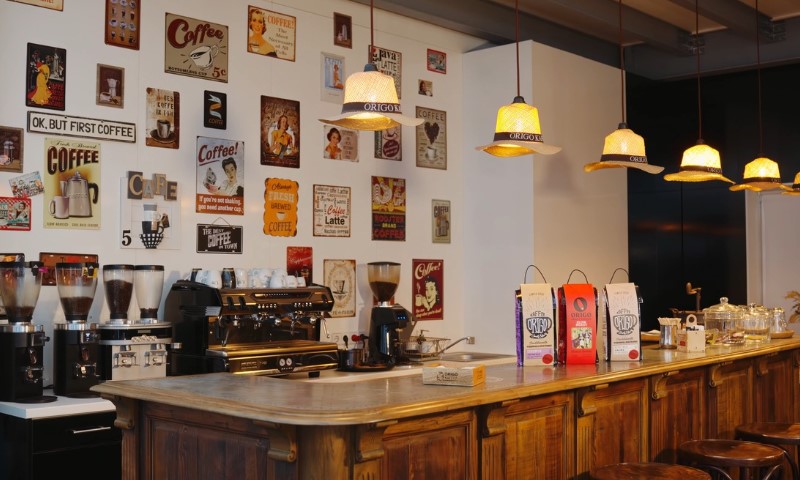
Origo Cafe earned praise as one of the best specialty coffee shops in the city, known for excellent espresso and a modern brunch menu.
Menus here showed how tradition adapts inside contemporary kitchens.
Other Notable Stops Worth Visiting
Several additional spots added variety during the stay, each serving a different purpose during the day. Breaks between heavier meals often led to cafés or casual eateries that focused on lighter plates, creative drinks, or quick comfort food.
Van Gogh Café leaned into creativity both visually and on the menu. Drinks went far past standard coffee offerings, with options that felt playful yet intentional.
Brunch leaned lighter and health-focused, making it a useful stop after long evenings.
Bistro Carusel delivered a quieter pause inside a bookshop setting capped with a glass ceiling. Atmosphere encouraged lingering, making it ideal for mid-day stops.
Menu choices stayed simple and refreshing, suited for a relaxed break rather than a full meal.
La Plăcinte focused on Moldovan-inspired fast food that felt familiar and filling without formality. Pies and comfort dishes arrived quickly and satisfied cravings without stretching time or budget.
Il Peccato shifted the pace toward a bistro setting with broader options. Italian and Romanian ideas met naturally on the menu, making it a dependable choice for diners looking for variety later in the day.
Seafood and pasta dishes worked well for groups with mixed preferences.
Summary
Romanian cuisine celebrates comfort, history, and bold flavor through everyday meals.
Bucharest shows strength not only as a political center but also as a thriving food capital shaped by habit and creativity.
What stands out most about the top restaurants in town is their ability to preserve comfort and tradition while allowing room for quiet evolution in flavor and presentation.