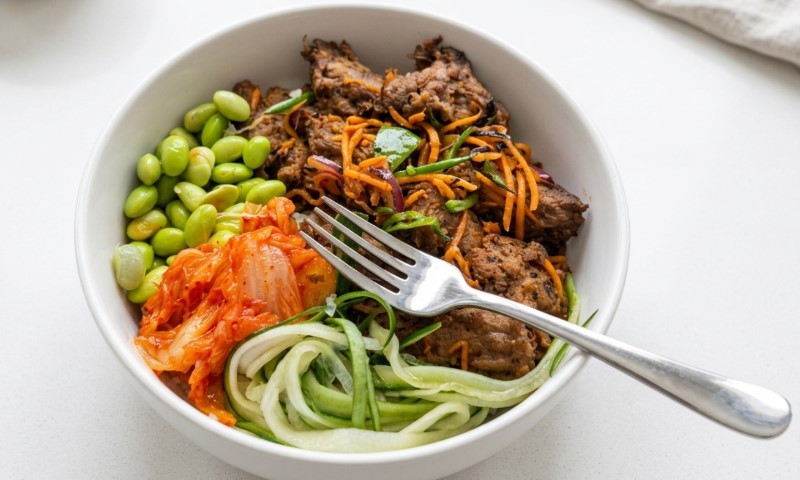


Intermittent fasting (IF) has surged in popularity as a tool for weight management, metabolic health, and cognitive clarity. As more people turn to IF, confusion still lingers over what can break a fast and what cannot.
Coffee, a morning staple for millions, often finds itself in the spotlight. Does sipping that cup break a fast, or is it harmless?
Let us talk about it.
Does it Mean You Broke a Fast?
Black coffee contains minimal calories, typically around 0 to 5 kcal per cup. That minor energy content rarely causes a measurable physiological shift for most individuals
For those aiming to lose weight or improve insulin sensitivity, drinking black coffee doesn’t break a fast in the practical sense.
When consumed without additives, black coffee can support fat metabolism and ketone production. By stimulating the central nervous system, it boosts alertness and encourages energy usage from fat stores. This makes it an ideal companion for metabolic or fat-burning fasts.
However, those who fast strictly for gut rest or autophagy often avoid even trace calorie sources. For them, even a non-caloric substance like coffee may present a problem.
Fasting purists argue that anything other than water may engage digestive activity or interrupt cellular cleanup mechanisms, meaning even black coffee might break a fast under those strict rules.
- Does not break a fast for metabolic, weight loss, or energy purposes.
- May break a fast for those targeting gut rest or autophagy.
- Depends on goal more than an arbitrary calorie number.
Coffee’s Potential Benefits During Fasting

Pairing black coffee with intermittent fasting may deliver several benefits that go hand in hand with common fasting goals.
These benefits span physical performance, mental clarity, and hunger control. Many fasters choose coffee strategically for these supportive roles.
Fat Burning & Metabolism
Caffeine stimulates the nervous system and amplifies fat breakdown processes.
Coffee not only raises thermogenesis but also enhances lipolysis, converting stored fat into usable energy.
- Boosts thermogenesis, elevating calorie burn at rest.
- Accelerates lipolysis to release fatty acids into the bloodstream.
- Supports ketone production during fasts.
- Helps preserve lean muscle mass during calorie restriction.
Appetite Suppression
Fasting often gets tough when hunger spikes. Coffee helps manage that hurdle by altering key appetite-regulating hormones.
- Lowers ghrelin levels, reducing hunger sensations.
- Raises peptide YY levels, which enhance satiety.
- Extends fasting comfort by making hunger more manageable.
Cognitive & Energy Boost
Mental performance can suffer during fasting, especially for beginners. Coffee steps in to ease the transition and boost energy during low-calorie states.
- Increases dopamine and norepinephrine availability.
- Blocks adenosine, reducing fatigue.
- Improves focus, reaction time, and short-term memory.
- Elevates energy levels without breaking a fast.
Synergistic Benefits
Coffee and fasting independently support brain health and inflammation control.
When combined, they may create a powerful synergy for those pursuing wellness without medication or supplements.
- Reduced systemic inflammation markers.
- Improved insulin sensitivity.
- Enhanced autophagy in caffeine-tolerant individuals.
- Possible protection against neurodegenerative diseases.
What Actually Breaks a Fast in Coffee?
Not all coffee is created equal, especially when additives come into play. While black coffee poses little risk, adding flavor, fat, or sweetness changes the equation.
Additives That May Break a Fast
Some ingredients instantly move the body out of a fasted state by triggering insulin responses or stimulating digestive activity. Even a tiny addition can derail fasting efforts.
- Sugar – Causes rapid insulin spikes and shuts down fat burning.
- Milk and flavored creamers – Contain carbs and proteins that prompt digestion and hormonal shifts.
- Artificial sweeteners – May impact insulin and gut flora, depending on the type and individual tolerance.
- “Under 50 kcal” myth – No reliable evidence confirms this threshold preserves a fast.
Each of these additions brings a metabolic cost that can neutralize the benefits of fasting, especially for those focusing on autophagy or blood glucose stability.
Additives That Might Be Safe (Depending on Goal)
Not every additive spells disaster. Some ingredients are low in carbs and protein, meaning they produce minimal insulin activity.
For those focused on performance or ketosis rather than cellular repair, small amounts of fat-based additives may not break a fast in practice.
- Heavy cream – High-fat, low-carb, minimal insulin response in small quantities.
- MCT oil – Encourages ketone production and has minimal digestive demand.
These options may work for those prioritizing:
- Weight loss
- Mental sharpness
- Ketosis maintenance
They should still be avoided by anyone fasting for gut rest or cellular autophagy. Even if insulin isn’t triggered, digestion may be.
Risks and Downsides of Coffee While Fasting

Although black coffee provides support during fasting, it comes with drawbacks. Effects vary from person to person, and some individuals may find that coffee interferes with their progress or comfort.
Digestive Issues
Coffee’s acidity can irritate the stomach lining, especially when consumed without food.
Those with reflux or sensitive digestion may experience discomfort that disrupts fasting goals.
- Heartburn or acid reflux
- Nausea on an empty stomach
- Loose stools or diarrhea
Sleep Disturbances
Caffeine has a long half-life and lingers in the body. Drinking coffee late in the day can delay sleep, alter REM cycles, and reduce recovery.
Poor sleep undermines hormone regulation, hunger control, and metabolic repair.
- Shortened sleep duration
- Lower sleep quality
- Increased cortisol the next day
- Heightened cravings and appetite
Caffeine Sensitivity
Individual tolerance plays a big role in how coffee affects fasting. Some people metabolize caffeine quickly, while others feel overstimulated from even small amounts.
Knowing one’s own limit is essential.
- Anxiety or racing heart
- Restlessness or tremors
- Insomnia or difficulty falling asleep
- Energy crashes later in the day
Balancing benefits with tolerance ensures coffee becomes an asset, not a liability, in the fasting routine.
Summary
Black coffee works for most people practicing intermittent fasting, especially those focused on weight loss, energy, or metabolic improvements. Problems arise when additives are introduced, as they can trigger insulin responses or digestive activity.
Knowing fasting goals helps determine how strict to be with coffee intake. A mindful approach ensures coffee remains a helpful tool, rather than a hindrance, throughout the fasting process.